Fire Safety Tips for Your Home
Fire safety is one of the most important topics for us to understand and implement in our homes. A fire can start and spread rapidly, putting our families and property at risk. That's why it's essential to take proactive steps to minimize the chances of a fire breaking out and to be prepared in case one does occur. Simple habits and regular maintenance can go a long way in keeping our homes safe from fires.
One of the key elements of fire safety is ensuring that we have functional smoke alarms installed throughout our homes. Smoke alarms can provide an early warning, giving us the crucial time needed to escape. In addition, having a well-thought-out and practiced escape plan can make all the difference in a real emergency, ensuring that everyone in the household knows exactly what to do and where to go.
Another critical aspect involves being mindful of how we store and handle flammable materials. Proper storage and handling can prevent accidental fires from starting. Regular inspections of heating equipment and other potential fire hazards also play a significant role in maintaining a fire-safe home. By paying attention to these details, we can create a safer environment for ourselves and our loved ones, reducing the likelihood of a devastating fire.
1. Installing and Testing Smoke Alarms
Smoke alarms are our first line of defense against fires. It's essential to install smoke alarms on every level of our homes, especially near sleeping areas. Make sure to place them inside bedrooms and outside each sleeping area to maximize their effectiveness. For increased safety, consider opting for interconnected smoke alarms. This way, if one alarm detects smoke, all alarms in the house will sound, providing a quicker warning.
Testing smoke alarms is just as important as installing them. We should test our smoke alarms at least once a month by pressing the test button to ensure they are working correctly. It's also crucial to change the batteries at least once a year or whenever the alarm chirps to indicate a low battery. Additionally, smoke alarms should be replaced every ten years to ensure they function properly. These simple steps can significantly increase our chances of detecting a fire early and evacuating safely.
2. Creating and Practicing an Escape Plan
Having an escape plan in place is vital for ensuring our family's safety during a fire. Start by drawing a map of our home, marking all windows and doors. Identify two ways out of every room so that if one exit is blocked by fire or smoke, there's an alternative way to escape. Make sure all family members are familiar with the escape routes and know how to open windows and unlock doors.
Practicing the escape plan regularly is key to making sure everyone knows what to do in an emergency. Conduct fire drills at least twice a year, both during the day and at night, to ensure everyone can evacuate quickly and safely under different conditions. Designate a safe meeting spot outside the house where everyone can gather after escaping. Teach children how to escape on their own in case adults can't help them. Having a well-practiced plan can save lives and ensure a quick and efficient evacuation during a fire.
3. Safe Storage and Handling of Flammable Materials
Storing and handling flammable materials with care is crucial to prevent accidental fires. We must keep flammable items like gasoline, paint thinners, and cleaning products in proper containers and store them in a cool, dry, and well-ventilated area away from our living spaces. It’s essential to ensure that these items are stored away from heat sources such as stoves, heaters, and direct sunlight, which can increase the risk of ignition.
In addition, being cautious when handling these materials can prevent fires. When using flammable liquids, keep them away from open flames, sparks, and smoking areas. Always read and follow the safety instructions on the labels of these products. After using them, make sure to seal the containers tightly and return them to their proper storage places. By taking these precautions, we can significantly reduce the risk of fire incidents in our homes.
4. Regular Inspection and Maintenance of Heating Equipment
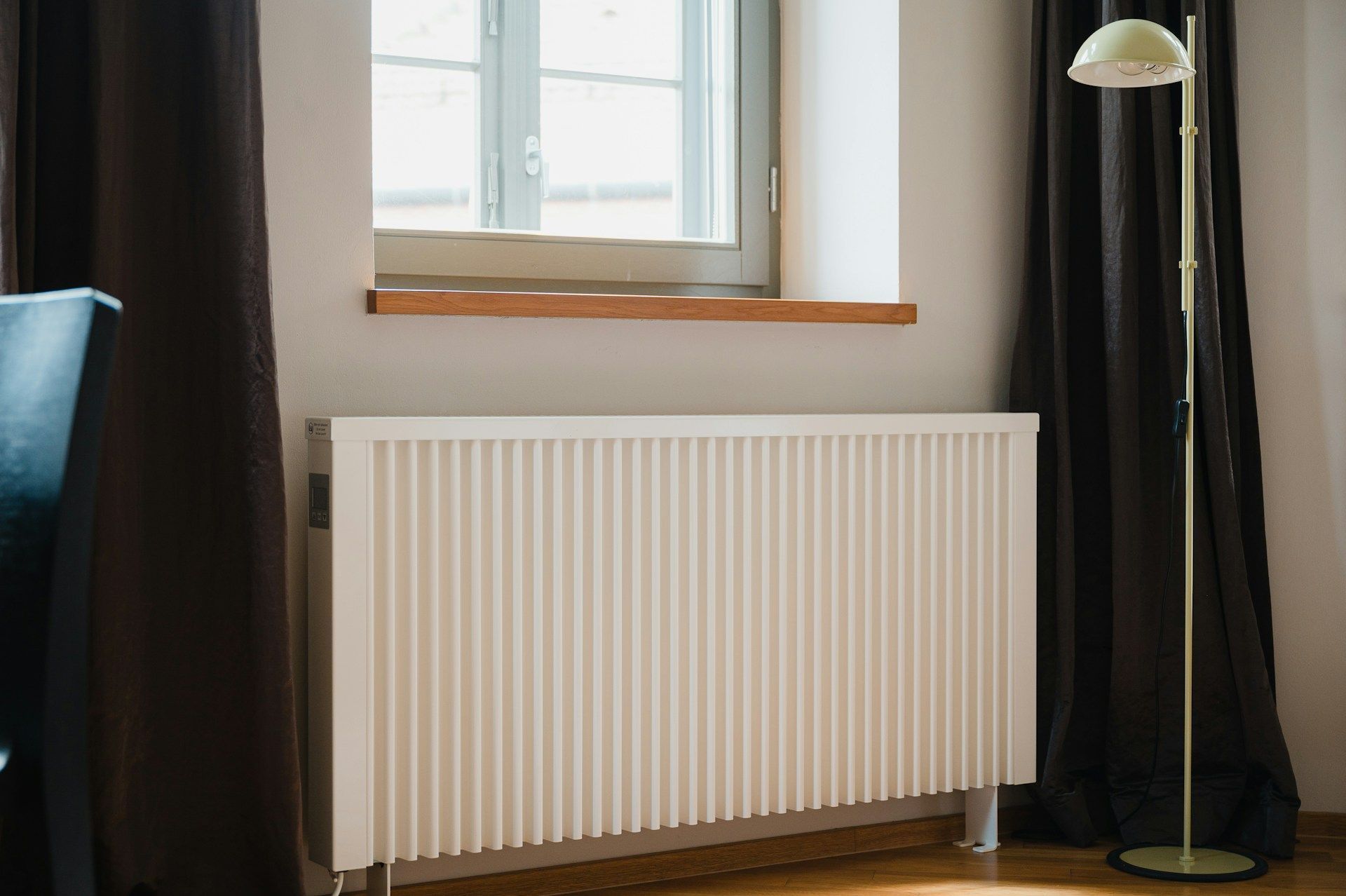
Regularly inspecting and maintaining heating equipment is crucial for fire safety. Heaters, furnaces, and fireplaces are common sources of household fires if they are not properly maintained. At least once a year, we should have a professional inspect and service our heating systems to ensure they are in good working condition. This includes cleaning filters, checking for gas leaks, and inspecting electrical connections.
For those of us with fireplaces or wood stoves, it’s important to clean chimneys and flues regularly to prevent the buildup of creosote, which can ignite and cause a chimney fire. Always use a fireplace screen to prevent sparks from flying into the room and keep combustibles like curtains, furniture, and paper a safe distance away. By taking these proactive steps, we can greatly reduce the fire risks associated with heating equipment in our homes.
Conclusion
Fire safety in our homes requires a thoughtful and proactive approach. By installing and regularly testing smoke alarms, creating and practicing an escape plan, safely storing and handling flammable materials, and maintaining heating equipment, we can protect ourselves, our families, and our properties from the dangers of fire. These best practices not only help us identify potential hazards but also prepare us to act swiftly in case of an emergency.
At Calidad Enterprises, we are committed to helping you ensure the safety and protection of your home. Implementing these proactive measures can significantly reduce the number of fire-related incidents. For professional assistance with
fire damage restoration and other safety concerns, reach out to Calidad Enterprises. Let us help you create a safer living environment for you and your loved ones.